

BY Clemens Paul Steinmüller
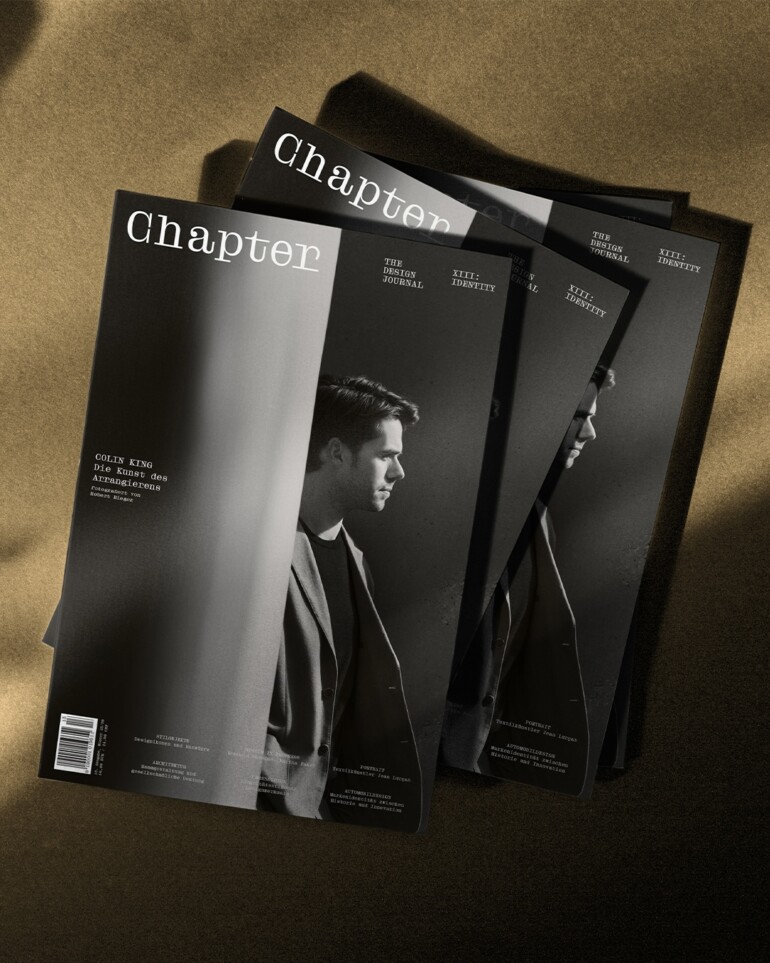
While brands used to define themselves primarily through technical features, function, or price, strategic differentiation is now increasingly shifting to the design level. Design has increasingly become the decisive factor in identity formation in recent decades. That’s precisely why Chapter XIII, under the issue title »Identity«, focuses on those elements that shape identity — and on the areas of tension that can arise in the process. Contributions from Automotive, Yacht, and Interior Design, from Haute Horlogerie, Architecture, and Art show how diverse questions of identity and design can be addressed.
There are moments you’d like to experience as a silent observer. For example, that moment when the board, marketing, technology, and design discuss the future of a brand. Three of them surprisingly quickly agree—namely, that the designer’s drafts can’t work that way: too daring for the market and target group, too expensive to implement, too far removed from the established brand identity. And, as always, the engineer objects that the whole thing is neither technically nor physically sensible or feasible anyway. Four disciplines, four realities, one common product. But if it succeeds in intelligently combining those different perspectives—preferably by trusting the design perspective more than usual—that’s exactly where that clear brand identity emerges that consumers later take for granted.

Of course, this picture is greatly simplified, but it refers to a development that has fundamentally changed the relationship between strategy, technology, and design in many industries—and sometimes harbors potential for conflict. While brand identity used to be defined primarily by technical features, function, or price, the strategy is now shifting much more strongly to the design level. In recent decades, design has increasingly become the decisive factor in the identity formation of brands. And last but not least, that’s why »Identity« is also an extremely exciting issue topic for a design magazine like Chapter.
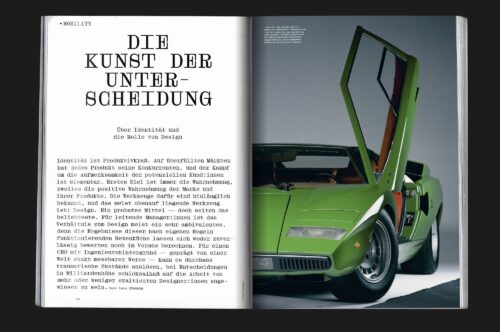
The fact that design is thus assuming a responsibility that was long not foreseen in classic corporate logics is also taken up by Mobility Design Professor and Chapter author Lutz Fügener in his essay on the »Art of Distinction« (from page 90). Using the example of the automotive industry, he describes how this development can sometimes even trigger »traumatic states« in a CEO with an engineering background: »Decisions worth billions suddenly depend on design concepts that can neither be reliably predicted nor captured in tables.«
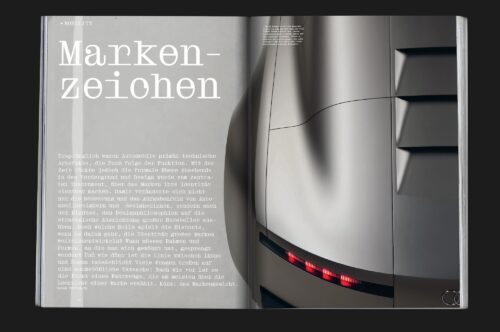
Author Sarah Wetzlmayr also addresses areas of tension in automotive design in her article »Trademark « (from page 48), albeit from a different perspective. In conversation with leading designers such as Marek Reichman (Aston Martin) or Domagoj Dukec (Rolls-Royce), she discusses how strongly brands define themselves, for example, through recognizable form codes and what tensions arise when tradition, market logic, and design innovation collide. The central question here is when an element represents an iconic »house constant« and when it becomes a dogma or even a design burden.
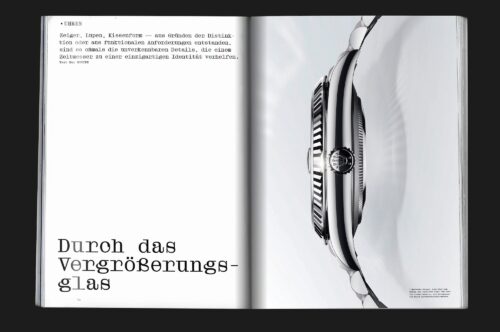
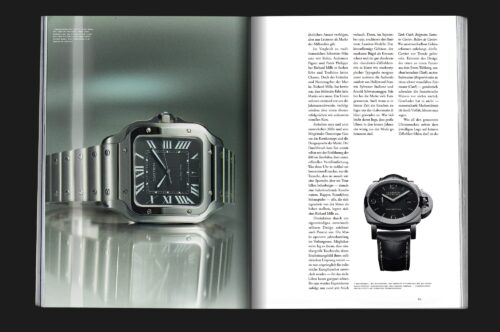
A related principle is evident when looking at watch design (from page 74). Here, too, identity is created through an interplay of design details cultivated over decades, technical feasibility, and innovation. The world of haute horlogerie makes it clear how much even the smallest design constants, such as hand shapes, bezel geometries, or screws that once arose for functional reasons, shape brand identities today.
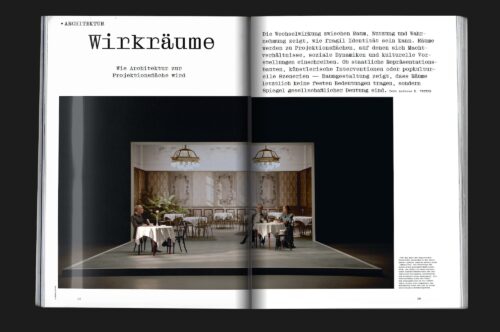
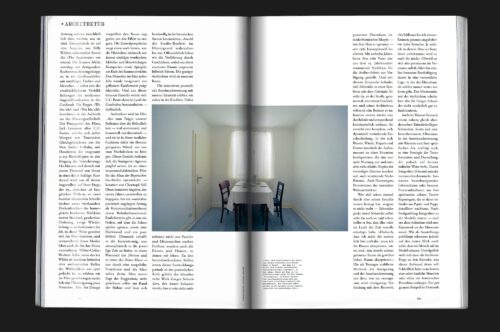
Prof. Dr. Andreas K. Vetter deals with a completely different aspect in the relationship between identity and design in his essay »Effective Spaces« (from page 58). He shows that architecture does not derive its effect exclusively from itself, but only develops identity in the interplay of use, expectation, and interpretation. Spaces have no fixed meaning; they become projection surfaces on which social ideas and personal experiences are inscribed.
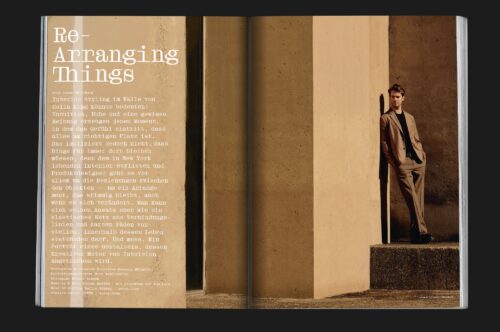
An interplay between perception and setting can also be found in our cover story on Colin King (from page 28). One might be tempted to dismiss his work as decorating at a high level, but this impression is surprisingly short-sighted upon closer inspection. Behind King’s internationally sought-after work as an interior stylist are clear conceptual lines and a fine sense of how meaning can be created through minimal shifts. His arrangements show that identity often arises where it seems barely visible: in the detail, in the omission, and in the art of subtly changing spaces.
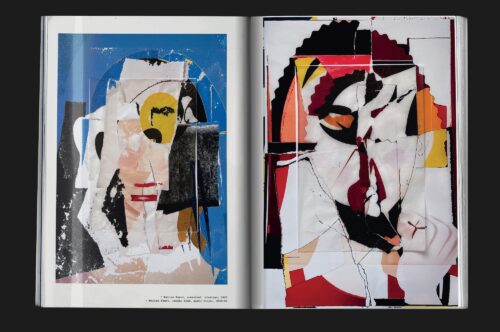
The museum in progress also changes spaces and contexts: away from the museum, into the public and media space. The artistic interventions (from page 122), which have been an integral part of every Chapter issue since last year, this time show works by Romuald Hazoumè and unpublished works by Marina Faust. Both illuminate identity from an artistic perspective: Hazoumè through his heads formed from »Bidons«, which address migration, globalization, and postcolonial reality. Marina Faust through her portraits, which understand identity as something composite, changeable, and never complete.
And the fact that questions of design and identity can be dealt with from automotive design to interior and watch design to architecture and artistic intervention shows above all one thing: that diverse but clear identity for which Chapter stands.