

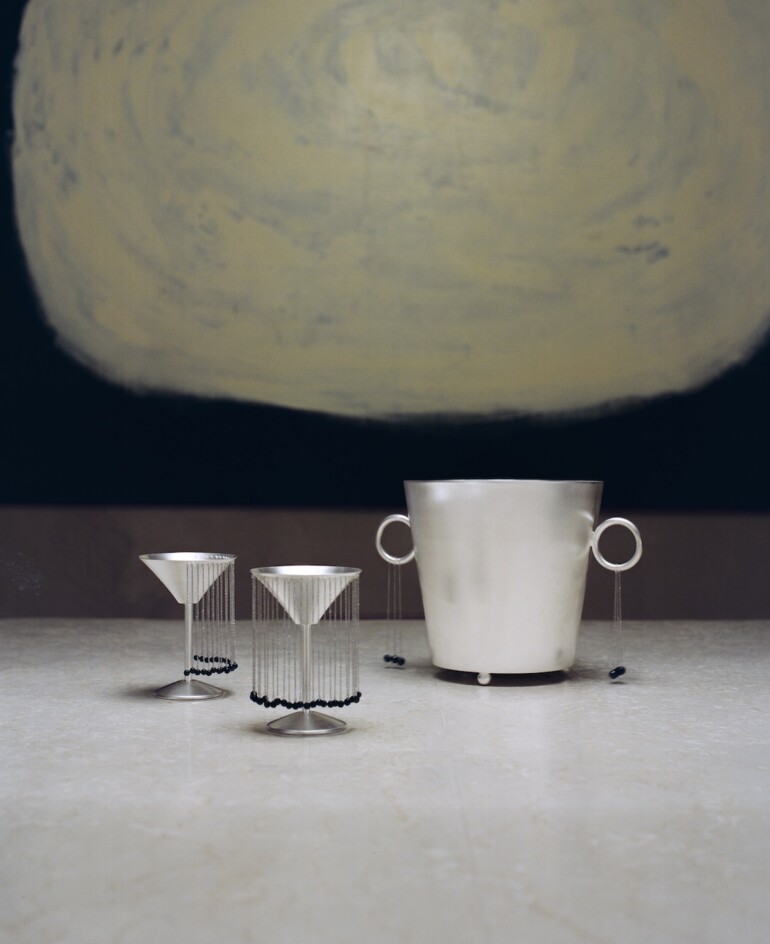
Die kolumbianische Designerin Natalia Criado, Gründerin ihres gleichnamigen Studios mit Sitz zwischen Bogotá und Mailand, arbeitet an der Schnittstelle von Objektdesign, Tableware und Collectible Design.
Im Gespräch mit Chapter spricht Criado über ihren experimentellen Arbeitsprozess im Atelier, den Einfluss des geografischen Kontexts auf ihre Arbeit und berührt dabei auch Fragen nach Inspiration sowie nach dem schwer greifbaren Moment der »just-rightness« im Design.
Chapter Your objects often exist somewhere between sculpture and everyday ritual objects. When you begin a new piece, what usually comes first in your thought process?
Natalia Criado Many of my collections begin through experimentation. Being in the workshop allows me to play with forms. I enjoy exploring materials, and this is how the collection combining stones with metal first emerged while I was working in my studio in Bogotá. It came from translating jewelry techniques to the table.
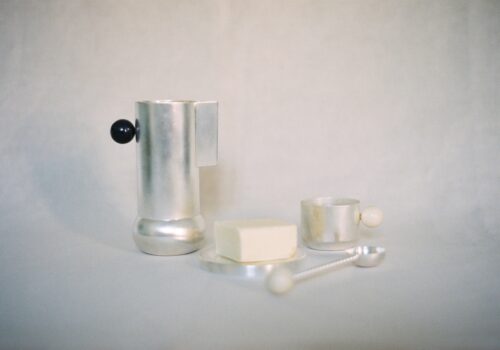
Chapter When it comes specifically to material—working with metal, glass, and natural stones, and bringing together different craft traditions—does the material ever lead the design for you, or is there a more overarching idea guiding the process?
Natalia Criado In truth, the materials I work with have often depended on where I live. I began with ceramics, fibers and leather when I was in Colombia, and later moved into metals. In that sense, the territory often determines the material I choose to work with.
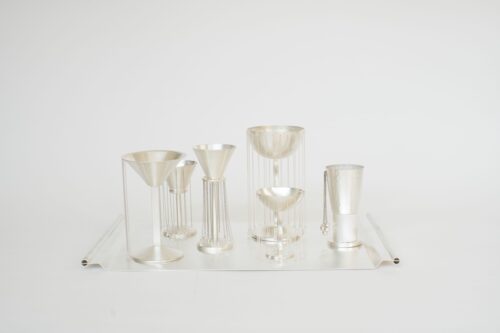
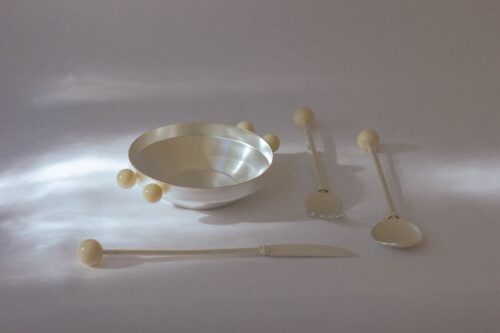
Chapter Your work balances very precise geometry with forms that feel almost organic. Are there particular shapes you find yourself returning to when thinking about form?
Natalia Criado Yes, I work a lot with the round shapes. The circle appears again and again in my work. It is a shape that keeps returning.
Chapter Are there artists or designers whose work you repeatedly return to for inspiration—reference points that quietly guide your practice?
Natalia Criado It comes in stages. like looking to the past, studying techniques that were once used and no longer exist. I am drawn to detail, to feminine work and pre-Columbian pieces.
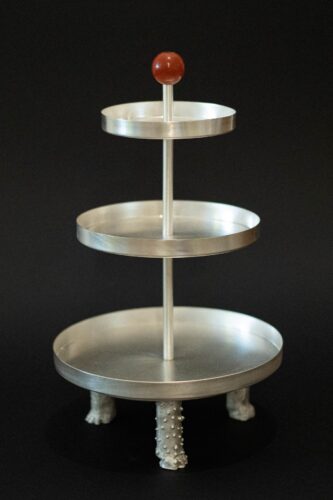
Chapter How do you know when a piece has reached that moment of »just-rightness«—that sense of precision where nothing more can be added or taken away?
Natalia Criado Some pieces may have reached a certain point of completion, for example the múcura. But I often have the feeling that the work is never entirely finished. Between 2024 and 2025 I dedicated myself almost exclusively to refining the pieces, and it still feels like the process continues. [Red.]