

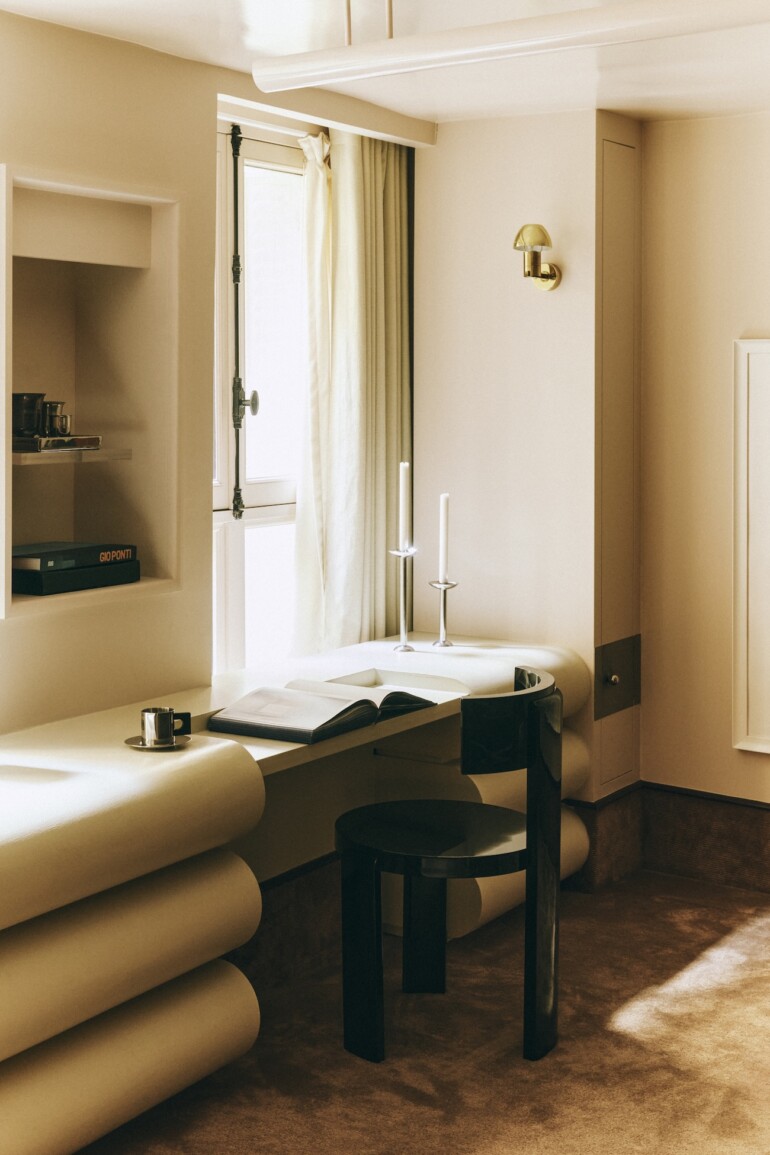
Danish designer Louise Roe Andersen is known for her sculptural approach to contemporary Scandinavian design. Since launching her brand in 2010, she has developed collections in glass, ceramics, and furniture that combine geometric clarity with a strong sense of materiality and atmosphere.
In this conversation with Chapter, Roe Andersen reflects on the early impulses that led her to design—and how a sensory awareness of space continues to shape her work.
Chapter Looking back, what first set you on the path to becoming a designer—and what part of that early impulse still fuels you today?
Louise Roe Andersen Finding it very important how my surroundings look—how much beauty and how many interesting, great moments you can create in order to feel happy within our lives. From a very young age I felt the importance of how the things around us affect how we feel. When I saw something that was not good looking, I wanted to change it—and how and with what. I always had ideas about how to transform and create happiness out of sadness.
Chapter Outside of design itself, is there something that quietly shapes your thinking and influences how you approach space and form?
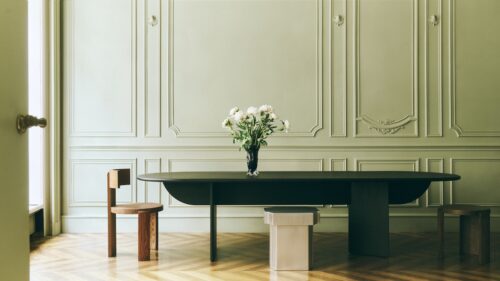
Louise Roe Andersen Outside the design approach to how things look, I also find it important how things sound and smell. All senses are relative to how a balanced feeling within a space is created. I love spaces with high ceilings, which in a metaphorical way allow greater feelings and welcome new thinking.
A space with low ceilings makes me feel under pressure and limited in my thinking. Your nervous system and all senses within a human being are important to notice and embrace. Round forms awaken your feminine side and make you feel relaxed and softer, while sharper lines give a feeling of comfort and control. A combination of both brings balance.
Chapter Following on from that thought, in your creative process, is there something that is meant to be felt rather than seen—something you deliberately choose not to make visible?
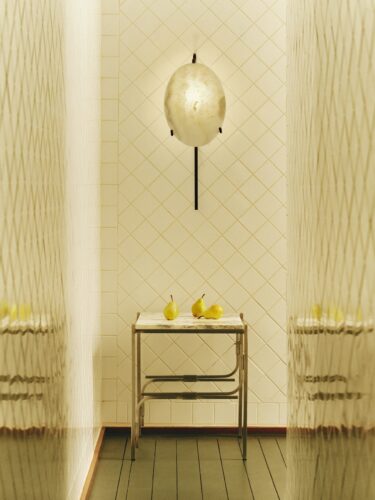
Louise Roe Andersen I like to see the craftsmanship behind a creation, so I rarely want to hide something unless it makes noise or disturbs the eye too much. I am, however, not very fond of visible screws in woodwork.
Chapter In a time when design is constantly consumed through images, how do you protect the integrity of your work from becoming just another aesthetic moment?
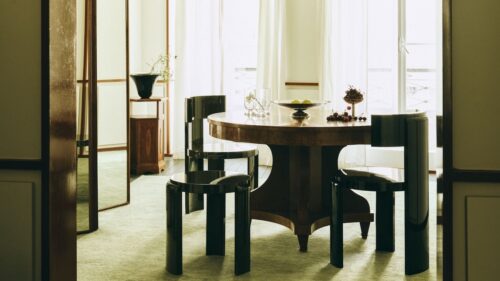
Louise Roe Andersen Everything can almost look »perfect« in an image setup, and for me it is important that in real life my designs look even better—and that the feeling of the tactility of the material and the quality comes across, which can sometimes be difficult to explain in an image. Therefore my gallery space, where people can experience the objects physically, is just as important as creating interesting still-life photos. The weight and the feeling when touching a product are very important aspects of a design.
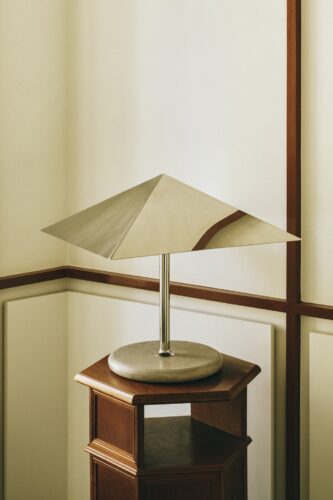
Chapter Where in your process do disciplined structure and intuitive exploration meet—and how do they shape one another?
Louise Roe Andersen I am disciplined in terms of deadlines and timelines, and it can of course be a challenge when I also give space for my impulsiveness. I am quite disciplined in making decisions and taking action to move forward towards the goal or idea. At the same time, I am aware that the people working with me need to feel comfortable turning »left« when we first thought »right« was the way.
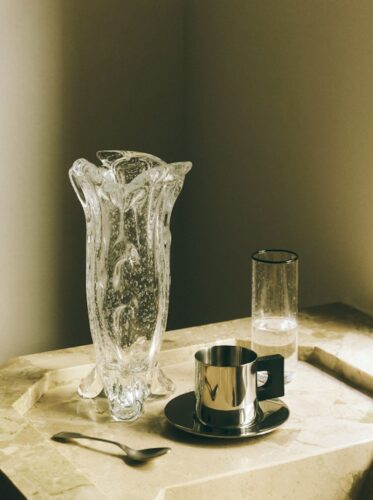
Chapter On a personal level, when a project feels uncertain or demanding, what sustains your momentum?
Louise Roe Andersen I am a problem solver—I somehow always find the bright side of something difficult. I do not feel good waiting too long for someone to take action. My challenge is my impatience. If I work with someone who is too demanding or does not treat people nicely, I sometimes »quit the game« and do not feel it is worth using my energy on. [Ed.]