

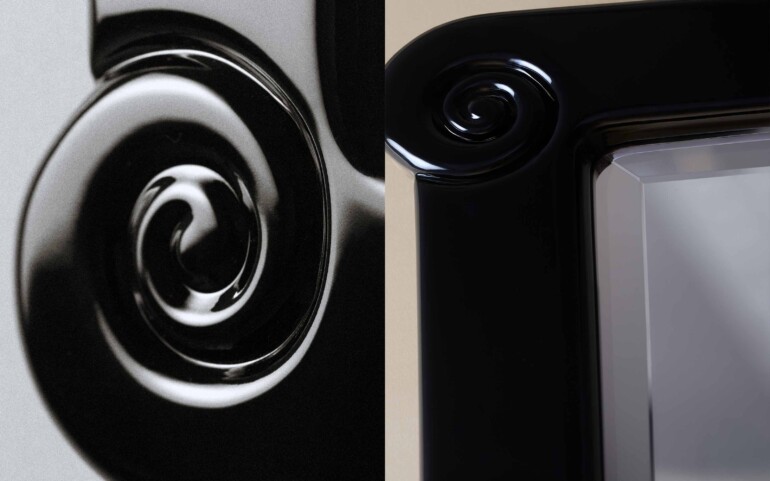
Im Chapter Interview spricht die in Paris tätige Interior-Architektin Astrid Houssin über ihre Arbeit an der Schnittstelle von Architektur und Interior Design und ihren ganzheitlichen Zugang zur Raumgestaltung. Sie erklärt, warum maßgefertigte Möbel zu einer natürlichen Erweiterung ihrer Praxis wurden und wie Intuition, Präzision und Langlebigkeit ihren Entwurfsprozess prägen.
Chapter You describe yourself as an interior architect, a term that sits between architecture and interior design. What does this distinction enable in the way you work with space?
Astrid Houssin I see interior architecture as a bridge between architecture and interior design. Architects focus on the bones of a project—structure, regulations, permits, and all the technical systems like plumbing and electrics. Interior designers, on the other hand, shape the atmosphere: furniture, fabrics, finishes, all the elements that would drop if you turned a house upside down.
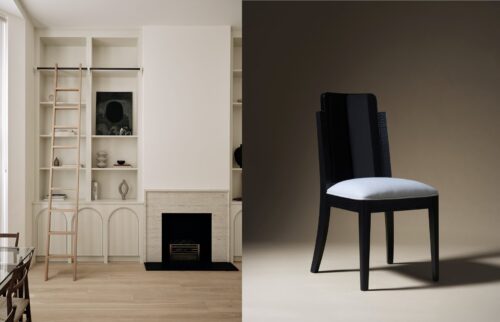
Interior architecture sits in between and brings both worlds together. We work on the creative and aesthetic details, but we’re also trained to design joinery, bathrooms, kitchens, and to produce the technical drawings needed to bring everything to life. That means we can take on a project in its entirety, rather than splitting it between an architect and an interior designer.
I think you can really feel the difference in a home that’s been designed this way. Interior designers tend to imagine very carefully how a client will live in a space, while architects often lean towards something more minimalist and conceptual—which can be exactly right for some projects. Personally, I’m always aiming for a balance: spaces that are beautiful, but also warm, intuitive, and highly functional. A home should feel good to live in, not just good to look at
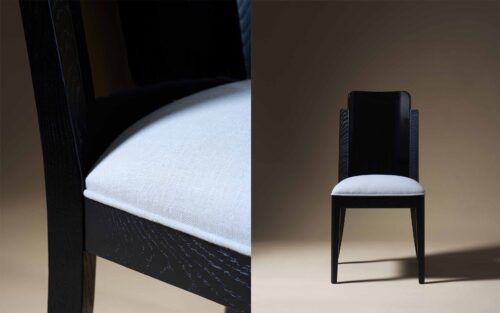
Chapter At what point did designing bespoke furniture become a natural extension of your interior practice, and what initially triggered that move?
Astrid Houssin Designing bespoke furniture felt like a very natural extension of my interior practice, even though I sometimes wish I’d started sooner. It really came from a moment of transition in my life. I had just moved back to Paris after fifteen years in London, and it forced me to rethink my creative direction from the ground up.
In London, I designed homes primarily for British clients, which often meant working with a lot of colour, pattern, and layered decoration. While I loved the process, it wasn’t fully aligned with how I’d design my own home. The Parisian design language is very different, and I quickly realised that my existing portfolio didn’t quite reflect where I wanted to go—or how I could position myself among more established Parisian architects. I needed a radical shift.
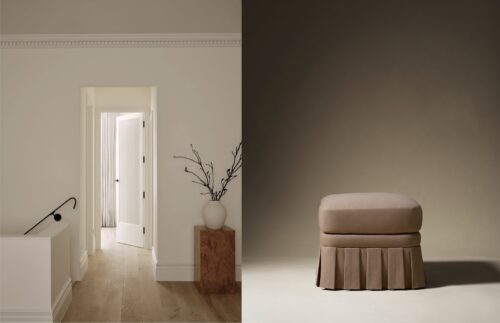
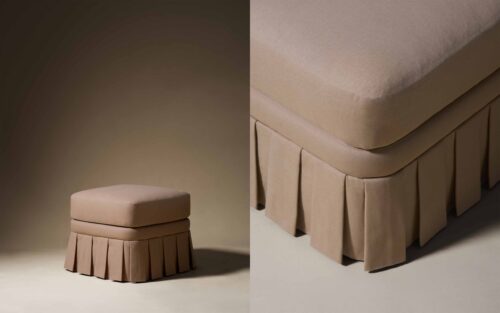
Furniture became that turning point. I began spending time at the Musée des Arts Décoratifs, and the inspiration came very organically. I started designing pieces I genuinely wanted to live with myself, and from there the collection grew. From the beginning, I didn’t want the furniture to feel like one-off statements. Versatility was important to me.
That’s why the brand is highly bespoke but accessible beyond just designers. Each piece is made to order and can be customised in size, wood finish, and lacquer colour. It allows both designers and private clients to create something that feels truly personal.
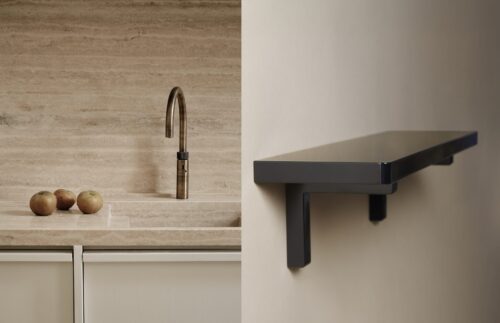
Chapter Your furniture pieces often feel precise without being rigid. How do you balance structure and intuition during the making process?
Astrid Houssin I design the pieces very intuitively at first, without overthinking them. That initial phase is instinctive—it’s about proportion, balance, and how the object should feel rather than how it’s made. Once the design is there, I become extremely precise about production.
My architectural background plays a big role at that stage. I produce very detailed technical drawings and pay close attention to the smallest details, which leaves very little room for error. It allows intuition to lead the creative process, while structure and control come in to support it. In that sense, the freedom happens early, and the discipline comes later.
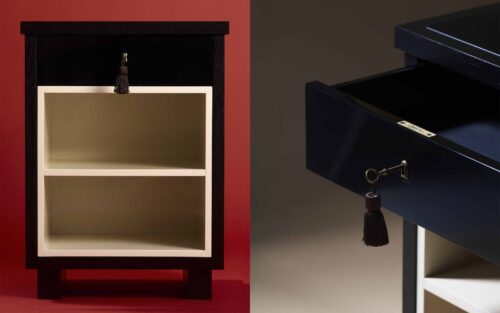
I was actually very lucky with the first prototypes—they came out exactly as I had hoped, so we didn’t need to go through multiple iterations. I wanted the pieces to feel understated and timeless rather than over-designed.
In many ways, the collection reflects both sides of my personality: playful and bold, but also quiet and minimalist; slightly masculine, yet equally feminine. That balance is what makes the pieces feel versatile and why they resonate with both men and women.
Chapter When designing furniture, what does longevity mean to you, both in terms of everyday use and visual presence over time?
Astrid Houssin For me, longevity starts with understatement. Timeless pieces have a quiet presence—they’re there, but they don’t dominate a space or demand attention. They’re the kind of objects you don’t grow tired of living with, even years later. I strongly believe in the idea that less is more.
We live in a world of clutter, fast fashion, and mass production, and that makes quality and craftsmanship more important than ever. As an interior architect, I’ve ordered thousands of pieces of furniture over the years, and you develop an instinct for what’s well made—not just visually, but in how it feels, how it ages, and how it’s assembled.
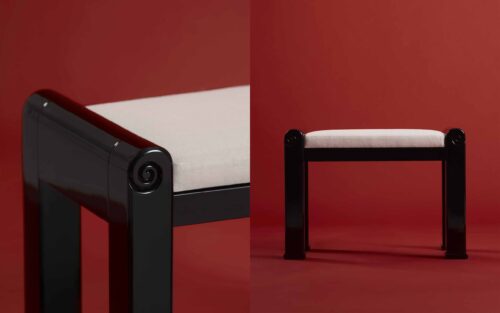
I pay a lot of attention to the smallest details, because that’s where quality really reveals itself. When nothing is overlooked, a piece naturally feels considered and enduring. Our homes reflect who we are, and so do the objects we choose to live with. I think it’s important to invest in pieces you’ll genuinely love long-term.
The pieces in our debut collection are minimalist, but with a touch of playfulness. That balance gives them visual longevity—they remain calm and refined, but still a pleasure to look at over time.
Chapter Looking ahead, what kinds of spaces or objects are you interested in exploring next?
Astrid Houssin I’m very excited about what’s coming next for the furniture brand. We’re about to launch a new range of hand-painted finishes created in collaboration with a very talented Parisian decorative artist. These finishes will be available on selected pieces from our debut collection, and the idea is to continue expanding the range over time.
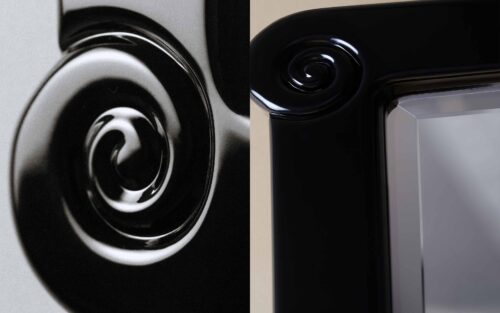
Rather than constantly introducing entirely new designs, I’m interested in allowing existing pieces to evolve. By adding new finishes and materials, the collection can keep living and changing, offering fresh possibilities without leaving earlier designs behind. Alongside that, I’d like to introduce a small new collection each year to complement what already exists.
Lighting is another area I’m very drawn to. After the second furniture collection launches, I’d love to explore lighting design as a natural next step.
Beyond objects, I’m also dreaming of a physical space in Paris—a showroom for our furniture that would feel welcoming and curated. I’d love it to be a place where I can also showcase and support other creatives whose work I admire. There is so much talent out there, and I strongly believe in supporting one another and giving visibility to people doing beautiful work. [Red.]